
 For many families, a good education has long been measured by how much a child knows. Examination results matter, and they always will. But more parents are now asking a harder question. Will my child be ready for a future I cannot yet picture, for jobs that do not yet exist? Preparing children for future jobs has become one of the central challenges of modern schooling, and it is one we consider carefully at Regent’s International School Bangkok.
From knowing to doing
Kirsten Prescott, Head of Secondary at Regent’s, has seen the purpose of teaching shift over two decades. “Twenty years ago, we often focused on what students needed to know,” she says. “Today, I think far more about what they need to be able to do with what they know.”
This does not lessen the value of academic knowledge. A secure foundation in literacy, numeracy, and subject knowledge remains essential. What has changed is the emphasis. Future skills for children, such as critical thinking, adaptability, collaboration and creativity, now sit alongside knowledge rather than after it. At Regent’s, this reflects a broader commitment to future-ready education, with a deliberate focus on independent learning and reflection, so that students understand not only what they are learning but how learning happens.
What AI changes, and what it does not
The rise of artificial intelligence has sharpened this thinking. Information has never been easier to access, which makes the ability to evaluate, question and apply it more important than the ability to recall it. These are some of the key skills children need in the age of AI.
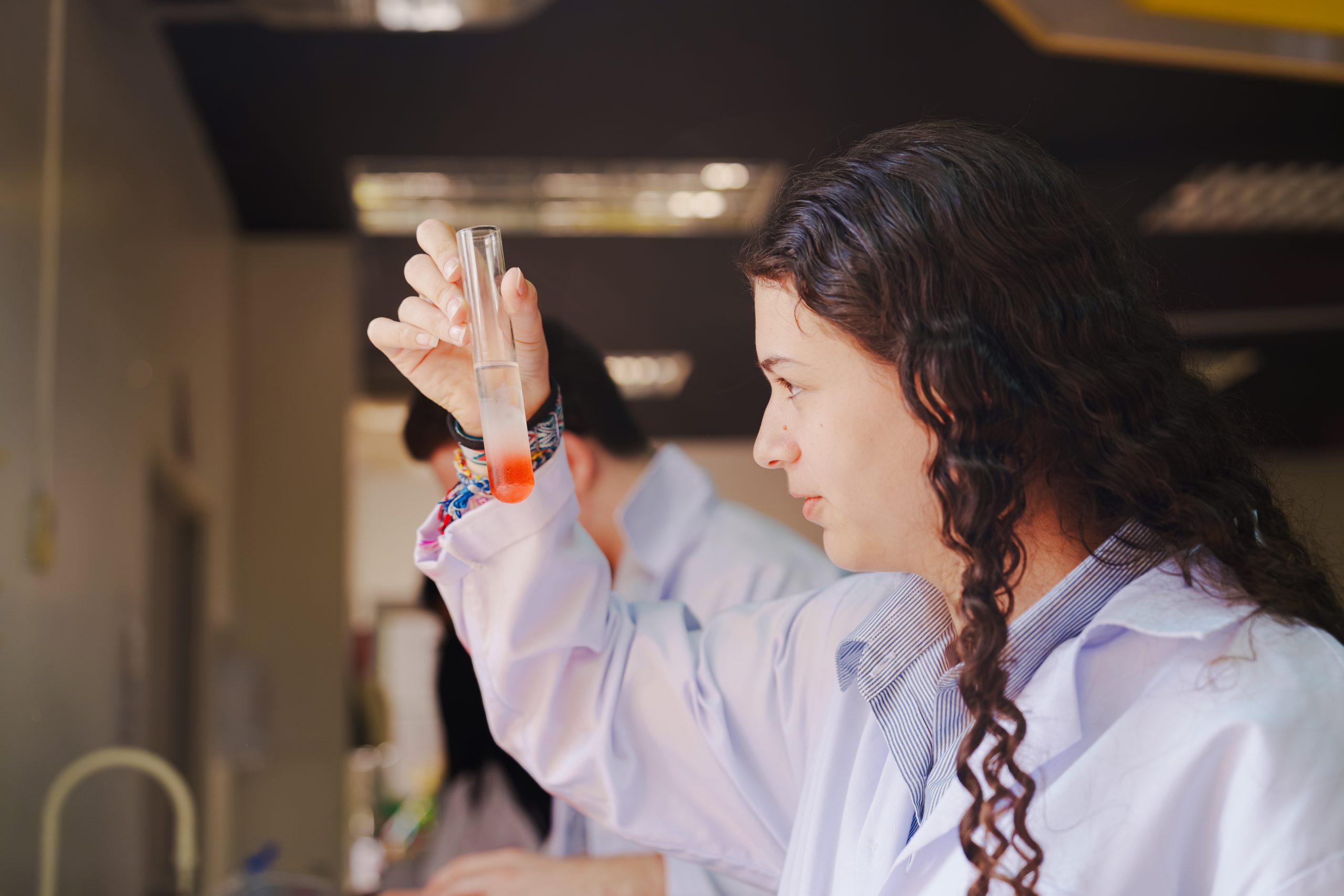
Knowledge still matters, because students cannot think critically about a subject they do not understand. But the direction is clear, and it shapes teaching long before the sixth form. This approach finds its fullest expression in the IB Diploma, which Regent’s offers in Years 12 and 13. Because the Diploma is assessed through extended investigation and structured argument rather than recall alone, students practise the kind of independent judgement that lasts well beyond the examination hall. As one member of the graduating Class of 2026 put it, “IGCSE taught me chemistry, IBDP has taught me how to be a chemist.”
Learning that mirrors the real world
Future-ready education is clearest when students tackle problems that have no neat answer. In Year 12, IB students undertake a two-day Group 4 Science Project investigating real issues affecting the air, water and earth of Bangkok, gathering evidence, weighing competing perspectives and proposing solutions.
“When students leave school, they are unlikely to spend their lives answering examination questions,” Kirsten says. “They will be solving problems, working with others and making decisions in situations where there is no mark scheme.”
The value lies in the habits this builds. Students learn to collaborate, manage uncertainty and adapt their thinking as new information emerges, which is how knowledge is used beyond school.
Good habits in a digital age
Knowing how to prepare your child for the future also means shaping a healthy relationship with technology. At Regent’s, digital citizenship goes beyond online safety, which is taught explicitly through the Learning for Life curriculum. Secondary is a mobile phone free environment during the school day, and lessons are device free by default, with laptops used only when a task requires them. The reasoning is practical. Working by hand and without constant distraction gives students more space to think, concentrate and engage with one another, all of which support deeper understanding.
Confidence for whatever comes next
No school can predict exactly what the world will look like when today’s pupils enter it. What a school can do is develop the knowledge, skills and character that allow a young person to thrive whatever that world holds. Alongside academic achievement, Regent’s places weight on resilience, adaptability and leadership, not as abstract ideals but as the qualities that keep students learning long after they leave.
“We are not trying to prepare students for a particular job or destination,” Kirsten says. “We are trying to help them become thoughtful, capable and compassionate young people who can adapt, contribute and flourish in whatever future awaits them.”
For families considering an international school in Bangkok, this balance of rigour and adaptability is key. At Regent’s International School Bangkok future-ready learning is designed to equip students with the skills and confidence to thrive in an evolving world. Parents who would like to understand how this approach develops across the school are always welcome to continue the conversation with us.