

The transition from school to university is almost always more demanding than students expect. In the school environment, learning is structured, guided, and closely supported. At university, students are expected to manage their own time, direct their own study, and take responsibility for their progress.
For parents choosing an international school in Thailand, the focus should not just be exam results, but on how well a school prepares students for that shift in independence.
At Regent’s International School, Bangkok, preparation for university is not limited to final exams or application support. It is developed over time through academic habits, independent learning skills, and a clear understanding of what university study requires.
Building independence beyond the classroom
One of the most significant differences between school and university is how students use their time.
At Regent’s, students are encouraged to make effective use of time beyond the classroom. This includes reviewing lessons, reading around their subjects, and discussing ideas independently.
“The use of non-directed time is key. Students who use time outside lessons to review, explore and deepen their understanding are often better prepared for university,” explains Carl Gavin, University and Guidance Counsellor.
This approach helps students develop independent study habits, a critical factor in university success. At the same time, students are guided to maintain a balanced lifestyle, recognising that rest and wellbeing are equally important.
Developing this balance early helps students manage the demands of university more effectively.
Developing strong study habits and academic discipline
University study requires students to organise their work, meet deadlines, and manage longer-term projects independently.
At Regent’s International School Bangkok, teachers support students in developing these skills through structured guidance and clear expectations. Tasks are designed to be manageable and purposeful, with achievable goals set within realistic timelines.
“Setting clear tasks and attainable goals helps students understand what they are working towards and how to achieve it,” adds Carl Gavin.
Communication plays an important role in this process. Teachers work closely with students to ensure they understand expectations and can plan their work effectively.
Some students require more support than others, and this is recognised within the school’s approach. By adapting guidance to individual needs, teachers help all students develop the academic discipline required for university study.
Understanding what university learning involves
Preparing students for university is not only about building skills. It is also about helping them understand how university learning differs from school.
At Regent’s, this is addressed directly with students, particularly in the later years. Sessions with Year 12 and 13 students focus on explaining the differences in expectations, including the reduced level of direct supervision and the increased need for independence.
“Students are supported to understand that university learning requires greater independence and self-management than school,” says Carl.
This clarity helps students approach university with realistic expectations and greater confidence.
The school also provides opportunities for students to hear directly from those with experience. Alumni visits, university representatives, and external events allow students to gain insight into both academic and personal aspects of university life. Talks and lectures from visiting academics are particularly popular as the students gain firsthand information from those that actually deliver the courses.
These experiences help students prepare for the transition in a more informed and practical way.
Personalised guidance for future pathways
University preparation is also supported through personalised guidance.
At Regent’s, one-to-one meetings with students begin in the final years of school, helping them explore their interests, strengths, and future goals. These conversations allow students to clarify their direction and feel supported as they make decisions about their next steps.
“One-to-one meetings with students are essential in helping them understand their options and plan for what comes next,” adds Carl.
Support does not end at graduation. Students are able to seek guidance even after leaving school, whether they are applying for further study, considering postgraduate options, or taking time before applying to university.
This ongoing support helps ensure that students do not feel uncertain as they move beyond school.
Academic preparation through a rigorous curriculum
The academic programme also plays an important role in preparing students for university.
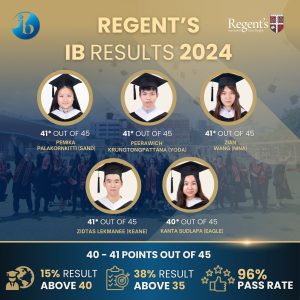
At Regent’s, the IB Diploma Programme provides a demanding and structured academic experience. Students are required to manage multiple subjects, complete independent research, and engage in sustained academic work.
“The IB provides strong preparation for university because it teaches students that consistent effort and independent study lead to success,” notes Carl.
Through this experience, students develop the problem-solving skills, critical thinking skills, and analytical thinking needed for higher education.
Preparation beyond the classroom
From Year 7 onwards, every student at Regent’s Bangkok enrols in the platform Unifrog, which brings together university and careers search, application tools and a wide range of courses in one place.
As they move through secondary school, students gradually build their understanding of the opportunities available to them. They begin to explore different pathways, develop relevant skills, and consider options they may not have encountered before.
Through these opportunities, students are able to demonstrate clear initiative beyond the classroom, supporting them in strengthening their applications.
This steady, supported approach ensures students are not making rushed decisions, but develop a clear sense of direction over time.
Preparing students for long-term success
University preparation is not a single process. It is built gradually through habits, skills, and experiences that develop over time.
At Regent’s International School, Bangkok, students are supported to become independent learners, capable of managing their own study, thinking critically, and approaching new challenges with confidence.
For parents, this provides reassurance that education leads not only to university entry, but to success beyond it.
Parents who would like to learn more about how Regent’s prepares students for university are always welcome to speak with the academic team and explore how students are supported throughout their journey.